Analyzing Navigation Flow Impacts on Prize Pool Growth within Networked Mobile Slot Environments
Written by Elena Simmons · Aug 23, 2026

Analyzing Navigation Flow Impacts on Prize Pool Growth within Networked Mobile Slot Environments
Analysts track how users move through mobile slot applications because navigation sequences directly influence contribution rates to shared prize pools in linked environments. Data from multiple operators shows that streamlined menu structures and reduced click paths correlate with higher session durations while fragmented layouts often produce early exits before players engage with progressive features. Those patterns emerge consistently across platforms where games connect through central servers that aggregate bets from thousands of simultaneous sessions.
Mapping User Pathways in Mobile Slot Systems
Navigation flow begins at launch screens and extends through lobby selections, game loading sequences, and bonus round triggers. Studies of user logs reveal that players who reach progressive jackpot sections within three taps demonstrate elevated bet volumes compared with those who encounter intermediate screens for settings or promotions. Researchers at institutions examining digital gaming interfaces note that each additional screen adds measurable friction and delays entry into the networked pool mechanics that drive accumulation.
August 2026 figures from several North American operators illustrate the point. Sessions featuring direct access to linked progressive titles recorded average contributions 22 percent higher than routes that routed players through separate account or leaderboard pages first. The differences appear in aggregate totals rather than individual outcomes because prize pools grow through collective wagering activity across the network.
Data Patterns Linking Interface Design and Pool Dynamics
Cross-platform tracking tools capture timestamped events that show how long users remain in each navigation stage. When designers consolidate jackpot information into persistent side panels instead of separate pop-ups, the frequency of pool contributions rises measurably. Observers note that this consolidation reduces cognitive load and keeps players oriented toward the accumulating prize displays that encourage continued play.
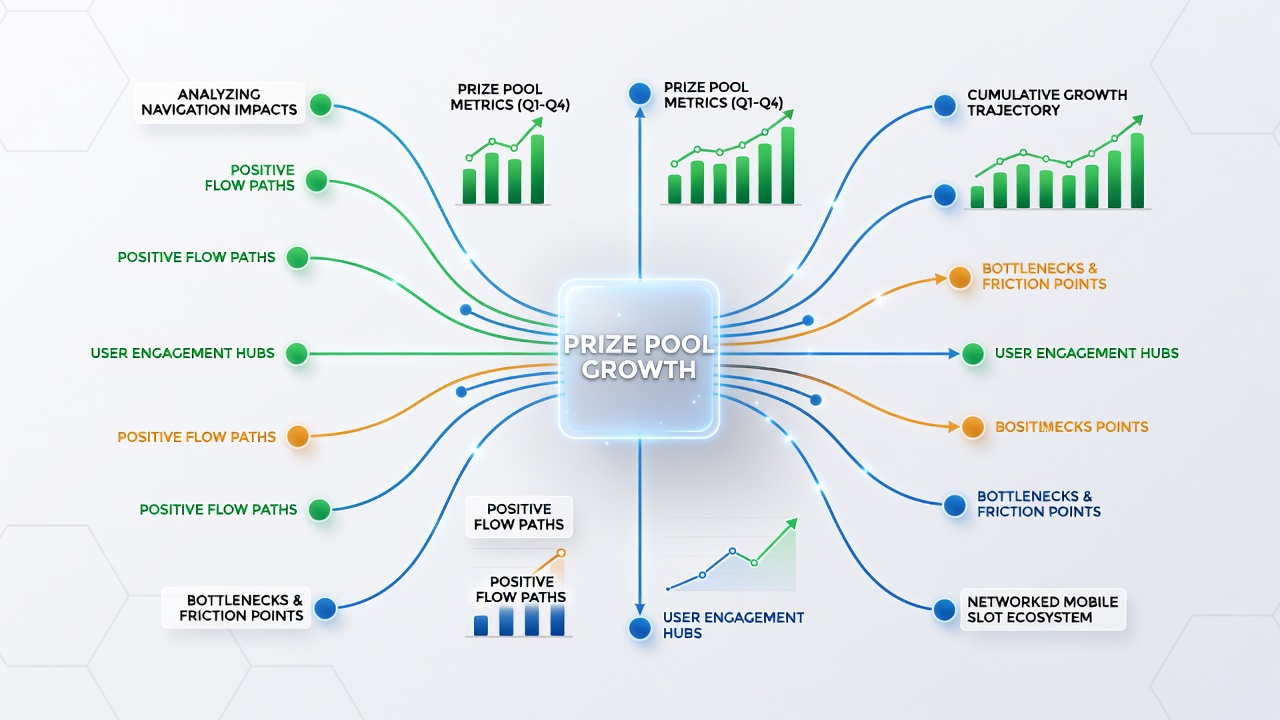
Operators in Ontario and Nevada report parallel results when they test variations in button placement and swipe gestures. A single extra confirmation step before entering a linked game can lower participation in the shared pool by double-digit percentages according to internal telemetry shared with regulatory bodies. The Alcohol and Gaming Commission of Ontario publishes periodic summaries that include such interface metrics alongside revenue and contribution data.
Network Synchronization and Contribution Timing
Networked mobile slot environments rely on real-time synchronization between individual devices and central servers. Navigation choices affect the timing of bet submissions to these servers because longer paths create gaps where players might disengage before their wagers register in the pool. Evidence from system logs indicates that optimized flows shorten these gaps and increase the proportion of started sessions that reach the contribution threshold.
One documented case involved a European operator that restructured its lobby after reviewing heat-map data on finger movements. The change replaced a multi-layer category menu with a single horizontal scroll containing progressive titles. Subsequent months showed steadier growth in the linked prize pools even though total registered users remained stable. The adjustment did not alter game mathematics or payout percentages but simply altered how quickly players could reach the networked components.
Regional Comparisons and Regulatory Context
Jurisdictions maintain different standards for interface transparency and player information display. In Australia the Office of the Registrar of Indigenous Corporations oversees certain gaming-related community programs while state regulators monitor operational data. Across these environments analysts compare navigation metrics against pool growth rates and find consistent directional relationships regardless of local rules. Shorter navigation sequences align with faster accumulation phases during peak hours.
University research groups have begun incorporating session replay tools to quantify these effects more precisely. Their preliminary reports highlight that exit points cluster around specific screens such as mandatory tutorial overlays or reward claim sequences. Removing or deferring those elements in controlled tests produced measurable lifts in pool contribution volume without changes to marketing or game content.
Conclusion
Navigation flow in mobile slot applications shapes the rate at which individual wagers reach networked prize pools. Data collected through server logs, heat maps, and regulatory filings demonstrates repeatable connections between interface pathways and aggregate growth figures. Operators continue to refine these pathways using telemetry while researchers refine measurement techniques that isolate navigation variables from other factors. The resulting patterns inform design decisions across multiple jurisdictions and platform types.