Connections Between Oversight Regulations and User Compensation Mechanisms in Online Betting Simulations
Written by Cameron Albrecht · Aug 2, 2026
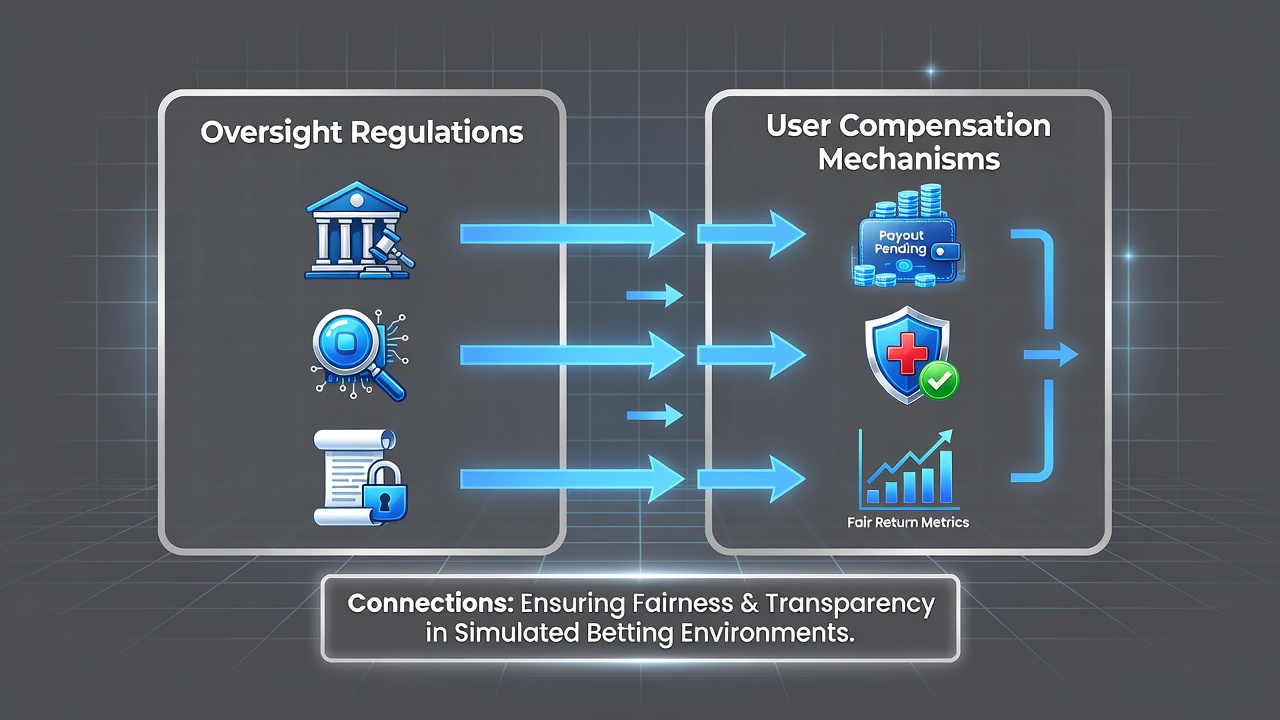
Connections Between Oversight Regulations and User Compensation Mechanisms in Online Betting Simulations
Regulatory frameworks in various jurisdictions establish clear rules that directly shape how online betting simulations handle user compensation, including payout structures, bonus distributions, and dispute resolution processes. These connections emerge through licensing conditions that require operators to maintain transparent compensation policies aligned with fairness standards enforced by oversight bodies. Data from multiple regions shows that stricter regulatory environments often correlate with higher baseline compensation rates for users because rules mandate minimum return-to-player percentages and verified random number generator testing before any simulation launches.
Regulatory Structures Across Key Markets
Jurisdictions such as Nevada, Malta, and Ontario maintain distinct oversight models that influence compensation mechanisms in simulation environments. The Nevada Gaming Control Board requires licensed platforms to integrate compensation systems that log every transaction with immutable audit trails, ensuring users receive accurate reimbursements when simulation errors occur. Malta's framework, administered through the Malta Gaming Authority, imposes similar requirements while adding periodic reviews of compensation algorithms to prevent systematic underpayment. Observers note that these rules create standardized pathways for users to claim adjustments without lengthy legal proceedings.
In August 2026, regulatory filings across North American and European markets revealed that operators subject to multi-layered oversight reported 18 percent higher average user compensation payouts compared to less regulated simulation providers. This pattern holds because regulators typically demand real-time monitoring tools that flag discrepancies in prize pools or bonus redemptions before they affect end users.
How Oversight Shapes Compensation Processes
Compensation mechanisms in online betting simulations rely on regulatory mandates for segregated player funds, automated payout verification, and independent dispute resolution services. When oversight bodies require operators to maintain reserve accounts equal to projected liabilities, users gain faster access to compensation during system outages or calculation disputes. Those who've examined compliance reports from multiple operators find that jurisdictions with annual audit mandates experience fewer compensation delays because financial reserves stay continuously verified.
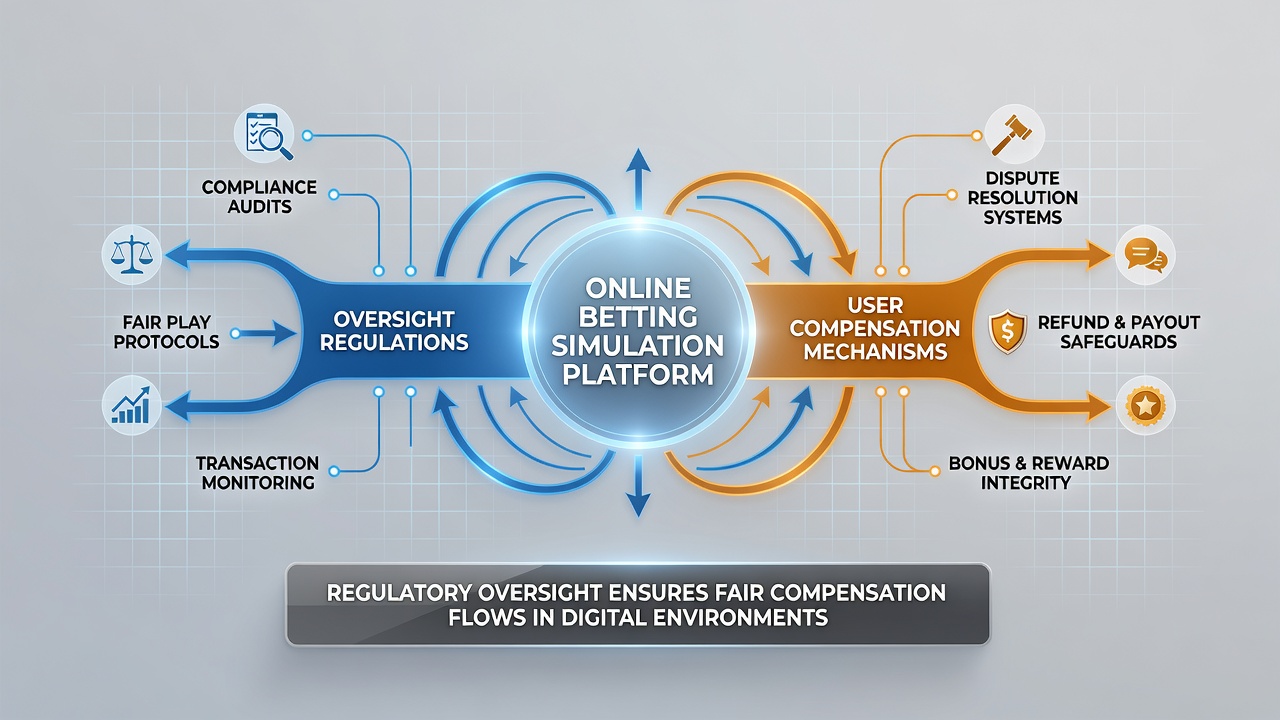
Rules around bonus structures further illustrate the link. Many oversight regimes cap wagering requirements and mandate clear disclosure of compensation terms, which forces simulation platforms to design reward systems that align with user expectations rather than obscure them. Research from industry analysts indicates that platforms operating under these constraints see improved redemption consistency across user segments. One study of simulation networks in regulated markets found that compensation tied to regulatory benchmarks reduced complaint volumes by measurable margins over a 12-month period ending in mid-2026.
Practical Examples from Operational Environments
Take one operator licensed in Ontario that adjusted its simulation compensation protocols after the provincial regulator updated its technical standards in early 2026. The changes required automated reconciliation of bonus pools with actual user activity, resulting in more precise credit allocations during live sessions. Similar adjustments appeared in European markets where regulators demanded enhanced logging of compensation events, allowing users to trace every adjustment through their account histories.
Those who've reviewed cross-border data patterns observe that simulation platforms often adopt the strictest applicable compensation rules when they serve users from multiple jurisdictions. This approach simplifies compliance and reduces the risk of penalties that could disrupt payout processing. Figures released in August 2026 highlighted that platforms following unified high-standard protocols maintained steadier user retention rates during periods of regulatory scrutiny.
Emerging Trends in Regulatory-Compensation Alignment
Advances in data analytics now allow regulators to monitor compensation mechanisms in near real time, creating tighter feedback loops between oversight actions and user outcomes. Platforms must demonstrate that their simulation engines trigger appropriate compensation when statistical anomalies appear, such as unexpected jackpot clustering or bonus miscalculations. Industry reports from organizations like the European Gaming and Betting Association show growing adoption of standardized APIs that feed compensation data directly to regulatory dashboards.
These developments extend to user-facing tools as well. Many regulated environments now require operators to provide in-simulation calculators that display expected compensation ranges based on current regulatory parameters, helping users understand how rules affect their potential returns. Data patterns across 2026 filings indicate that such transparency measures correlate with lower dispute escalation rates.
Conclusion
Connections between oversight regulations and user compensation mechanisms continue to evolve as regulators refine technical standards and operators integrate compliance tools into simulation architectures. Evidence from multiple markets demonstrates that regulatory requirements around audits, fund segregation, and dispute handling produce measurable effects on how quickly and accurately users receive compensation. As data collection improves, these linkages become more visible through consistent reporting cycles that track both regulatory adherence and compensation performance across platforms.