Correlations Between Regional Gaming Regulations and Progressive Prize Payout Frequencies in Smartphone-Based Casino Applications
Written by Elena Washington · Jul 26, 2026
Correlations Between Regional Gaming Regulations and Progressive Prize Payout Frequencies in Smartphone-Based Casino Applications
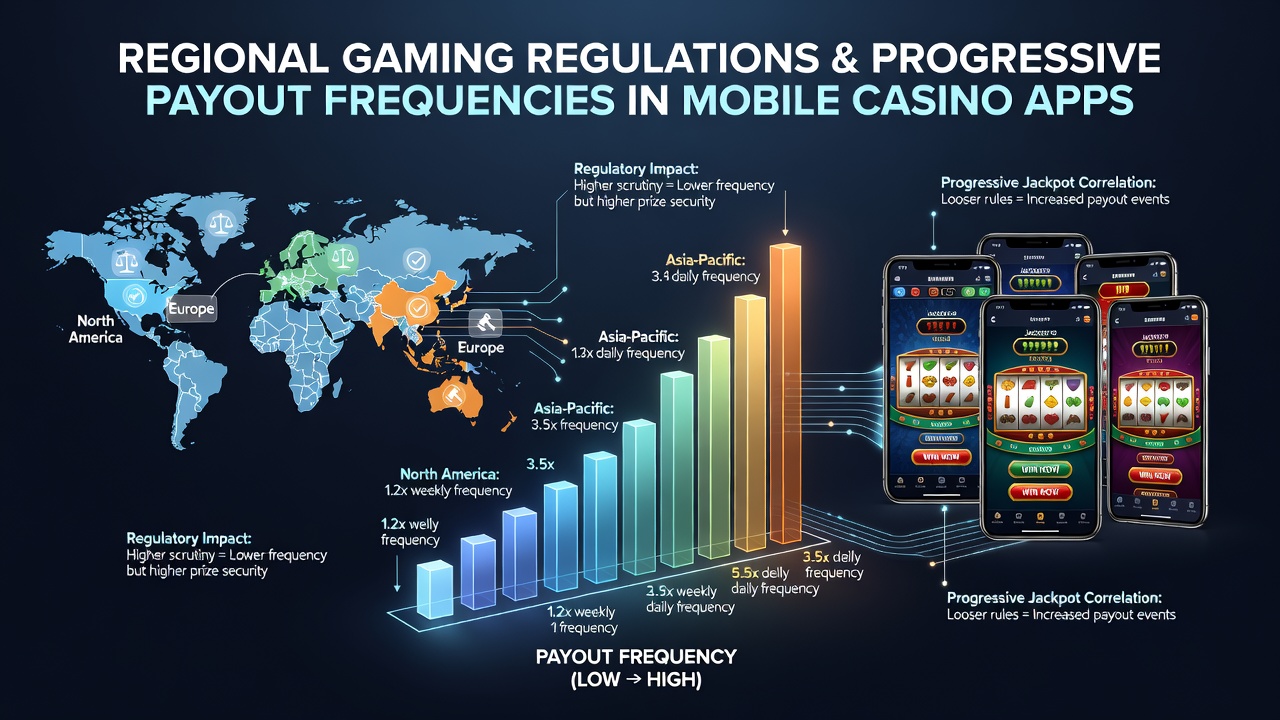
Regional gaming regulations shape how progressive prize pools accumulate and distribute in smartphone casino applications, with data from multiple jurisdictions indicating measurable differences in payout frequencies tied directly to oversight frameworks. Operators adjust network parameters to comply with local rules on prize pooling, contribution rates, and verification processes, which in turn affects how often jackpots trigger across mobile platforms. Studies tracking these patterns reveal that stricter licensing conditions often correlate with slower accumulation phases yet higher verification standards before payouts occur.
Regulatory Structures Across Key Markets
Jurisdictions maintain distinct approaches to mobile gaming oversight, and these differences extend to how progressive systems operate on handheld devices. In Ontario, the Alcohol and Gaming Commission of Ontario requires operators to maintain transparent pool contributions and independent audits, which data shows influences the rate at which mobile progressive jackpots reach trigger thresholds compared to less regulated environments. Similar patterns appear in Australian states where state-level commissions enforce contribution caps and player protection measures that alter prize growth curves in smartphone applications.
European markets apply varying tax treatments and licensing tiers that impact how operators allocate funds to networked prize pools, while North American states outside Ontario impose additional reporting requirements that delay or accelerate verification steps before mobile payouts finalize. These structural elements create observable variations in frequency data collected from app usage logs across different regions.
Data Patterns in Payout Frequencies
Analysis of mobile application performance metrics demonstrates correlations between regulatory stringency and the intervals between progressive wins. Regions with mandatory minimum contribution percentages and real-time reporting show steadier but less frequent large payouts, whereas areas allowing flexible pool management exhibit more variable hit rates. Figures from industry monitoring services indicate that smartphone users in tightly regulated markets encounter progressive triggers at intervals that align closely with compliance-driven pool sizing rules.
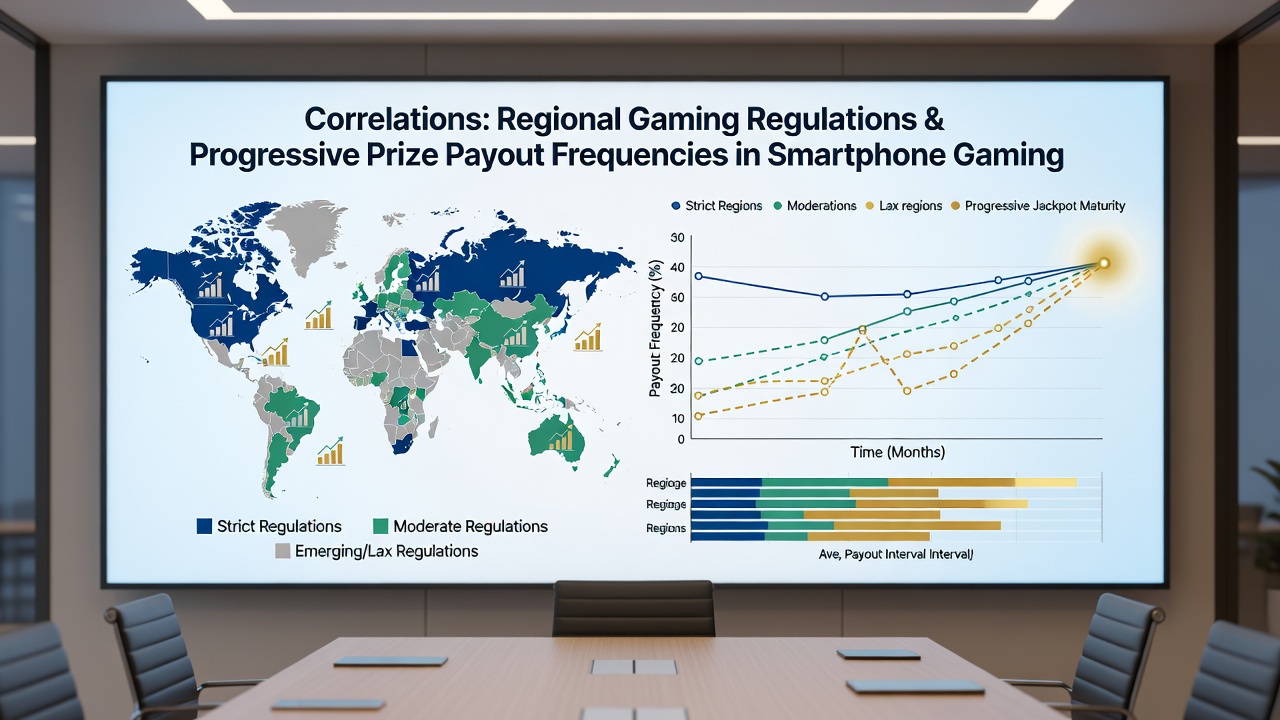
Research compiled through July 2026 continues to track these alignments, noting that operators in multiple jurisdictions have adjusted mobile network algorithms to maintain compliance while preserving prize appeal. The resulting datasets reveal that payout frequency shifts often follow regulatory updates rather than market demand alone, with changes appearing within weeks of new enforcement guidelines taking effect.
Operator Adjustments and Mobile Implementation
Smartphone casino developers respond to regional rules by modifying contribution rates, pool segmentation, and eligibility criteria within their applications. These technical changes produce measurable effects on how quickly progressive meters climb and how often they reset after wins. Data collected from app telemetry shows that markets requiring third-party pool certification experience longer accumulation periods before mobile payouts occur, while regions with streamlined approval processes allow more rapid cycling of prize funds.
One documented case involved operators updating their networked systems to meet revised contribution thresholds, after which mobile progressive hit frequencies shifted in line with the new parameters. Observers tracking these modifications note that such adjustments occur routinely as regulations evolve, creating ongoing correlations between policy changes and player-visible payout patterns.
Cross-Regional Comparisons
Comparative reviews of mobile gaming data across borders highlight consistent relationships between regulatory density and prize distribution timing. Markets with comprehensive player verification mandates tend to show extended intervals between large progressive wins on smartphone platforms, while lighter regulatory environments display shorter cycles. These patterns hold across different application providers, suggesting the influence stems from compliance requirements rather than individual game design choices.
Reports from the Victorian Commission for Gambling and Liquor Regulation have documented similar dynamics in their monitored jurisdictions, where rule changes directly preceded shifts in mobile jackpot frequencies. Parallel findings from academic gaming research centers further support the connection between oversight frameworks and payout behaviors observed in portable casino environments.
Conclusion
Available evidence establishes clear links between regional gaming regulations and the frequencies at which progressive prizes pay out in smartphone-based casino applications. Operators implement compliance measures that alter pool dynamics, and resulting data sets reflect these adjustments across multiple markets. Continued monitoring through 2026 and beyond will likely refine understanding of how specific rule variations translate into observable payout patterns for mobile users.