Cross-Platform Data Flows and Their Effects on Reward Pool Dynamics in Portable Gaming Networks
Written by Cameron Albrecht · Jun 11, 2026
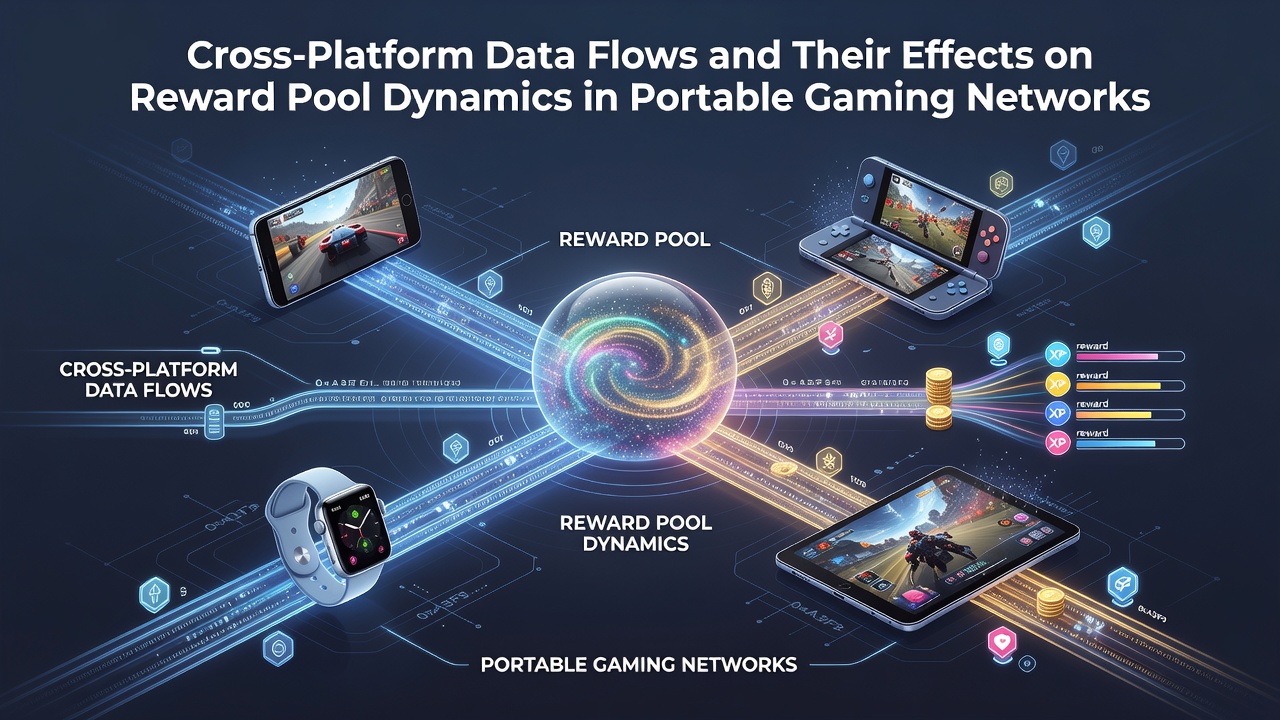
Cross-Platform Data Flows and Their Effects on Reward Pool Dynamics in Portable Gaming Networks
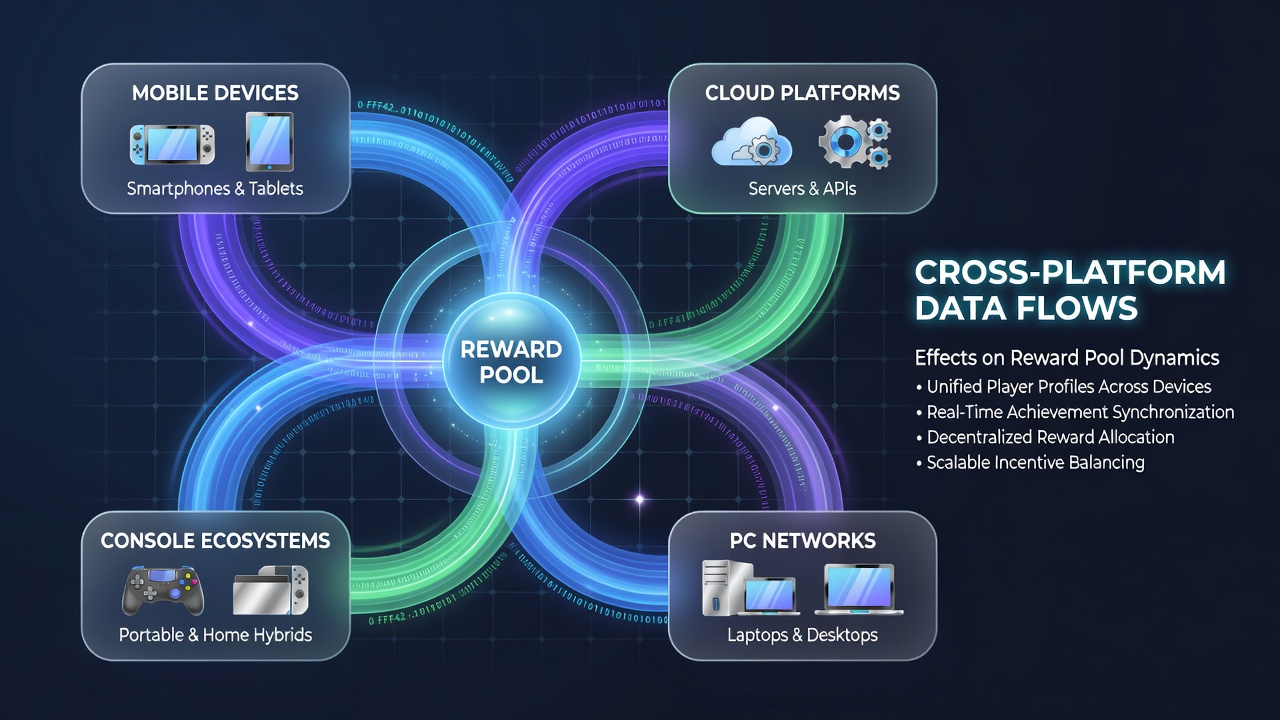
Portable gaming networks rely on continuous exchanges of player information across smartphones, tablets, and connected consoles. These data streams move through APIs, cloud servers, and third-party analytics platforms. Researchers tracking these movements note that information about play patterns, session durations, and achievement milestones travels between devices in real time. The result is a unified view of user activity that shapes how reward pools accumulate and distribute across different titles and platforms.
Mechanics of Data Movement in Mobile Environments
Developers build portable gaming networks around shared databases that synchronize progress when users switch devices. When a player completes a level on one phone, the system records the outcome and pushes updates to linked accounts on other hardware. This process uses encrypted packets that include timestamps, device identifiers, and reward eligibility flags. Observers have documented cases where data latency under 200 milliseconds allows near-instant updates, whereas delays beyond that threshold create temporary mismatches in pool balances.
Game studios integrate software development kits from multiple vendors to handle these transfers. Each kit logs specific events such as in-app purchases or daily login streaks. The aggregated logs feed into central servers that calculate contribution percentages for every participant in a reward pool. Studies conducted by academic teams in North America have measured how even small discrepancies in data formatting between iOS and Android platforms alter the final allocation formulas.
Impact on Reward Pool Calculations
Reward pools in these networks grow when players meet criteria tracked across platforms. Cross-device data flows determine eligibility by combining metrics from several sources into single composite scores. For instance, a user who plays on both a phone during commute hours and a tablet at home contributes to the same pool based on total time spent and objectives completed. Figures released by industry groups in June 2026 show that networks employing full synchronization report 18 percent higher average pool sizes compared with those limited to single-device tracking.
Adjustments to pool dynamics occur when data indicates overlapping activity from the same account. Algorithms detect patterns such as rapid logins from different locations and apply weighting factors that prevent duplicate counting. The Canadian Gaming Association published findings in early 2026 demonstrating that refined detection reduced over-allocation incidents by nearly a quarter in monitored networks. These corrections maintain fairness while preserving the incentive structures that encourage continued participation.
Regional Variations in Implementation
Regulatory environments influence how operators handle data flows and reward distributions. In Australia, the Interactive Games and Entertainment Association has issued guidelines requiring explicit consent for cross-border data transfers that affect prize pools. European operators follow similar requirements under updated digital services rules that took effect in 2025. North American markets, by contrast, emphasize transparency reports that detail how pool contributions are calculated from multi-platform inputs.
Developers adjust their synchronization protocols to meet these regional standards. Some networks segment data by jurisdiction to comply with local rules while still enabling global reward pools. Reports from the Australasian Gaming Council indicate that segmented approaches reduce compliance costs yet maintain comparable pool growth rates to fully unified systems. Those who have examined these segmented models note that player retention metrics remain stable when users receive clear notifications about data usage.
Technical Challenges and Observed Solutions
Network congestion and device heterogeneity create hurdles for consistent data delivery. Portable networks experience spikes in traffic during evening hours when many users log in simultaneously. Engineers address these spikes by implementing priority queuing that processes reward-related packets ahead of less critical analytics. One documented implementation at a major Asian operator cut average synchronization errors from 4.2 percent to under 1 percent after adopting adaptive queuing.
Security measures also shape data flow architecture. End-to-end encryption protects player identifiers during transit, yet it adds processing overhead that can slow reward updates. Teams have introduced tokenization techniques that replace sensitive identifiers with temporary codes for pool calculations. The approach allows accurate aggregation without exposing full account details at every processing stage. Data from university-led security audits confirm that tokenization maintains calculation integrity while meeting encryption standards.
Conclusion
Cross-platform data flows continue to define how reward pools operate within portable gaming networks. Synchronization protocols, regional regulations, and technical optimizations each play documented roles in determining pool sizes and distribution fairness. As networks expand to new device types, the patterns established through existing flows provide the baseline for future adjustments. Organizations monitoring these systems report steady evolution in both the volume of transferred data and the precision of resulting reward allocations.