Examining How Interface Designs Shape User Interactions with Networked Prize Systems on Handheld Platforms
Written by Riley Otto · Jun 9, 2026
Examining How Interface Designs Shape User Interactions with Networked Prize Systems on Handheld Platforms
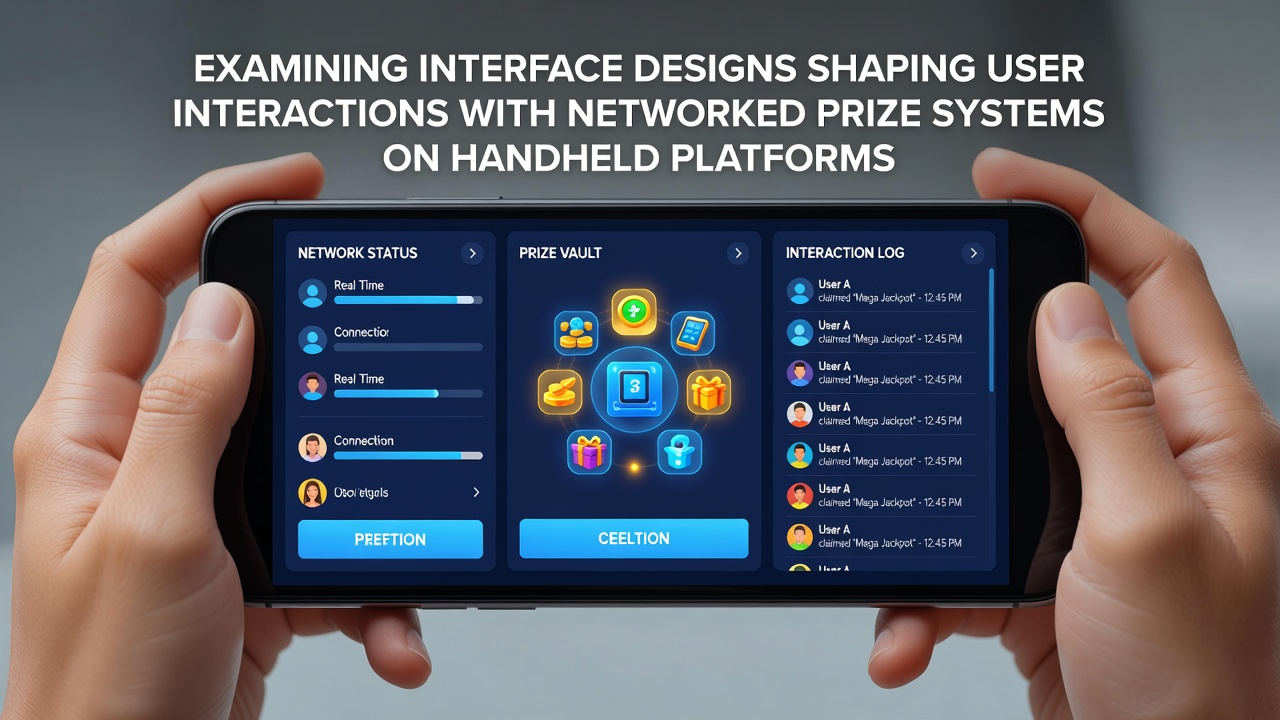
Interface designs on handheld platforms determine the flow of information between users and networked prize systems that connect individual devices to centralized servers for prize allocation and tracking. These systems rely on wireless networks to synchronize data across multiple participants, and the visual layout along with gesture controls directly influence how quickly users locate options, submit entries, and monitor outcomes. Studies from research institutions show that touch-based elements such as swipe navigation and tap zones reduce the time required to complete prize entry tasks by measurable percentages compared with older menu structures. Designers incorporate real-time feedback mechanisms including progress bars and status notifications that update as network data refreshes, which keeps participants informed without requiring constant manual checks. In June 2026 several mobile operating system updates introduced improved background synchronization protocols that allow prize systems to deliver alerts even when applications run in minimized states. Observers note that such changes align with broader trends in handheld hardware where larger screens and higher refresh rates support more detailed graphical representations of accumulating prize pools.Core Components of Effective Interface Layouts
Handheld interfaces for these systems typically feature modular grids that display prize categories alongside eligibility criteria drawn from live network feeds. Color coding and icon sets help users distinguish between active draws and completed events without scanning dense text blocks. Researchers at academic centers have documented that consistent iconography across different applications leads to faster recognition rates among frequent participants who switch between multiple prize platforms on the same device.
Touch targets sized according to established accessibility standards accommodate varied finger positions and reduce accidental selections during rapid interactions. When prize systems integrate social sharing buttons directly into confirmation screens, data patterns indicate increased repeat engagement because users complete the loop from entry to distribution in fewer steps. Those who analyze usage logs report that interfaces incorporating collapsible sections for rules and terms maintain higher completion rates than designs that force separate page loads.
Real-Time Synchronization and Visual Feedback
Networked prize systems depend on continuous data exchange, and interface elements must reflect latency variations without disrupting user flow. Progress indicators that animate during server handshakes provide reassurance while the system validates entries against shared databases. Experts have observed that subtle haptic responses paired with visual cues improve perceived reliability, particularly in regions where network coverage fluctuates during peak usage hours.
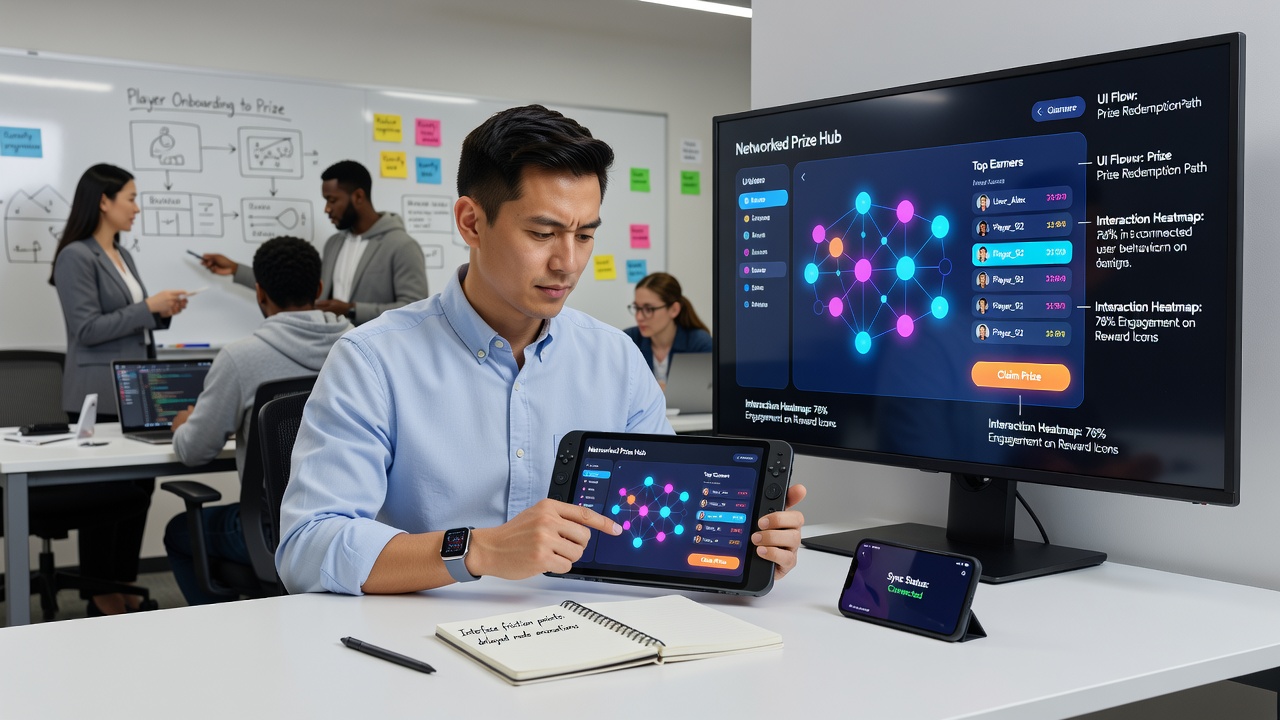
Design patterns that prioritize essential information at the top of scrolling views allow users to grasp current prize status before reaching secondary details. Applications that employ predictive loading based on typical user paths cut down on wait times when network conditions slow data transfer. Figures from industry reports compiled by organizations such as the Australian Communications and Media Authority reveal steady growth in mobile participation rates coinciding with refinements in these synchronization displays.
Personalization Features and Decision Pathways
Adaptive interfaces adjust displayed prize options according to past interaction histories stored locally or retrieved from secure network profiles. Filter controls placed prominently let users narrow results by prize value, entry deadline, or geographic eligibility without leaving the main screen. Data collected through controlled trials shows that such personalization shortens the interval between initial app launch and final entry submission across diverse demographic groups.
Gesture libraries that include long-press actions for quick previews of prize rules integrate smoothly with standard tap navigation. When handheld platforms support split-screen modes, users maintain visibility of live prize counters while reviewing supporting documentation in adjacent panels. Reports issued by groups including the Nielsen Norman Group document how these layered decision pathways correlate with sustained session durations in networked environments.
Conclusion
Interface elements on handheld devices continue to evolve alongside advances in network infrastructure and display technology, shaping the precise sequence of actions users perform when engaging networked prize systems. Consistent application of layout principles, feedback timing, and personalization tools produces measurable differences in interaction efficiency and data accuracy across platforms. Continued examination of usage metrics from regulatory and academic sources will track how future refinements maintain alignment with participant expectations in expanding mobile ecosystems.