How Geolocation Algorithms Steer Accumulative Prize Mechanics in Cross-Border Mobile Reel Networks
Written by Cameron Albrecht · Aug 13, 2026
How Geolocation Algorithms Steer Accumulative Prize Mechanics in Cross-Border Mobile Reel Networks
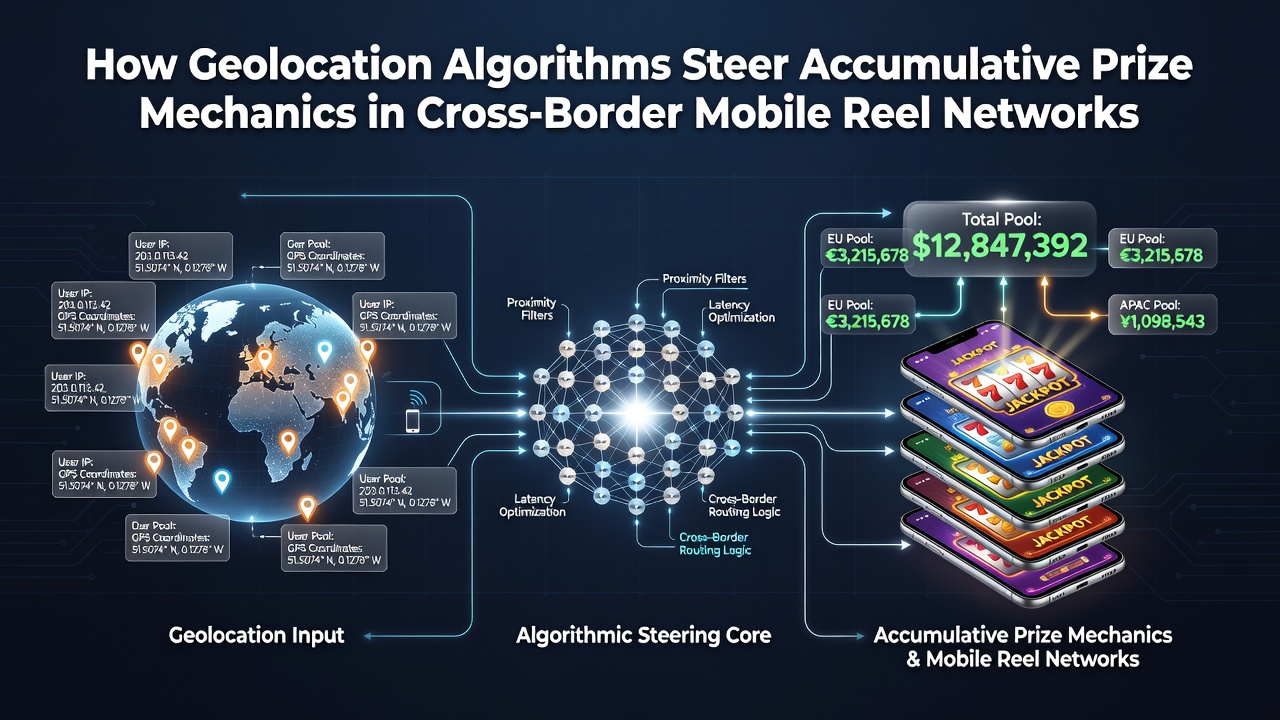
Geolocation algorithms process GPS coordinates, IP addresses, and device metadata to determine a player's physical position before any contribution reaches an accumulative prize pool in mobile reel networks that span multiple jurisdictions, and this filtering step routes funds into compliant regional segments rather than a single global pot.
Operators rely on these systems to maintain separate prize mechanics for players in different countries because regulations on gambling contributions and payouts differ sharply from one market to the next. Data from network logs shows that location checks occur at session start and at intervals during play, which prevents ineligible contributions from inflating pools meant for restricted territories.
Core Components of Geolocation in Prize Systems
Modern implementations combine satellite positioning with cellular triangulation and Wi-Fi signal analysis to achieve accuracy within a few meters, while fallback methods use IP geolocation databases when primary signals weaken. These layered checks feed directly into backend rules engines that decide whether a spin adds value to a linked progressive meter or diverts the amount elsewhere.
Researchers at institutions tracking gaming technology note that algorithms also incorporate velocity detection to flag rapid location changes, which can indicate VPN use or roaming across borders during a single session. When such flags trigger, the system suspends further accumulation until the player stabilizes within one verified jurisdiction.
Accumulative Prize Routing Mechanics
Once location is confirmed, the algorithm assigns the player's stake portion to the appropriate prize tier based on regional licensing agreements. Cross-border networks often maintain parallel meters, so a contribution from a European user might feed a euro-denominated pool while an Asian participant adds to a separate Asian currency accumulator, even though both play on the same game title through the same app.
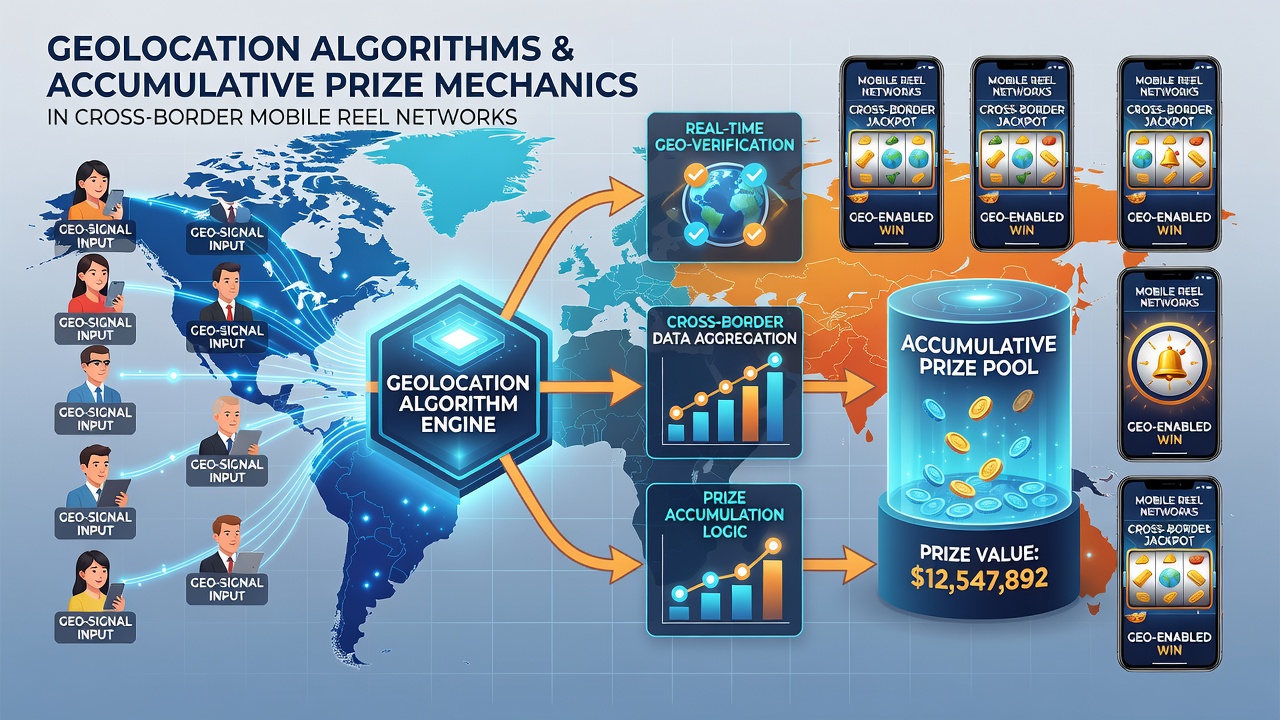
Industry reports indicate that synchronization between these segmented pools occurs through secure APIs that exchange only aggregate totals rather than individual player data, preserving privacy while allowing operators to display unified jackpot displays that update in real time. August 2026 saw several major platforms adjust their synchronization intervals after regulatory reviews in multiple markets highlighted timing discrepancies in displayed amounts.
Regulatory Alignment and Data Handling
Gaming control bodies in various regions require operators to retain geolocation records for audit periods that can extend several years, and algorithms must log every location query along with the resulting routing decision. This audit trail supports verification that prize contributions never crossed into unlicensed areas.
According to findings published by the International Association of Gaming Regulators, operators using multi-factor location verification experienced fewer compliance incidents than those relying on single-source checks. Separate research from the University of Queensland's gambling studies unit examined how these same algorithms affect prize growth rates when traffic shifts between time zones.
Technical Challenges in Cross-Border Environments
Network latency and signal loss near borders create edge cases where algorithms must decide whether to accept, reject, or hold contributions pending re-verification. Developers address these situations with timeout protocols that pause accumulation rather than risk misrouting funds.
Observers note that some networks now apply machine learning models trained on historical border-crossing patterns to predict and pre-emptively manage these edge cases, which reduces session interruptions while maintaining regulatory boundaries. The models analyze past player movement data without storing personally identifiable information beyond the minimum required for compliance.
Future Adjustments in Algorithm Design
Platform updates scheduled through the remainder of 2026 aim to incorporate additional satellite systems and 5G positioning standards to tighten accuracy further. These changes respond to requests from regulators seeking clearer separation between prize pools tied to different licensing frameworks.
Evidence from operational dashboards shows that refined geolocation logic has already produced measurable shifts in how quickly certain regional meters reach trigger thresholds, because contributions now flow more consistently within their designated segments.
Conclusion
Geolocation algorithms serve as the gatekeepers that keep accumulative prize mechanics aligned with the patchwork of cross-border regulations governing mobile reel networks. Their continuous location verification and dynamic routing decisions determine which pools receive contributions and which players remain eligible for specific prize tiers. Ongoing refinements in positioning technology and regulatory reporting standards continue to shape how these systems operate in practice.