Patterns in Cross-Border Data Sharing That Shape Accumulating Rewards Within Portable Reel Networks
Written by Cameron Albrecht · Jul 23, 2026

Patterns in Cross-Border Data Sharing That Shape Accumulating Rewards Within Portable Reel Networks
Cross-border data sharing in portable reel networks operates through structured protocols that link player activity records from one jurisdiction to reward pools maintained in another, and these connections determine how accumulating rewards build over time. Regulatory frameworks in regions such as the European Union, North America, and Asia-Pacific require operators to transmit anonymized session data, transaction logs, and contribution metrics while complying with local privacy statutes. Data from these exchanges feeds directly into centralized systems that calculate progressive increments across linked mobile platforms.
Core Data Exchange Structures
Portable reel networks rely on application programming interfaces that standardize the format of information passed between operators in different countries, and these interfaces ensure that each spin or session contributes a defined percentage to a shared reward accumulator. Researchers at institutions tracking digital gaming infrastructure have documented how latency in data transmission affects the timing of reward updates visible to players on handheld devices. Synchronization occurs at fixed intervals, often every few minutes, which allows multiple jurisdictions to maintain consistent pool totals despite varying peak usage hours.
July 2026 marked the implementation of updated data portability requirements in several Asia-Pacific markets, and these rules expanded the categories of session metadata that operators must exchange when contributing to cross-border accumulators. Compliance reports filed with regional authorities show increased volumes of encrypted packets moving between servers located in Singapore, Nevada, and Malta during that period. The added data fields include device type identifiers and connection stability metrics that help calibrate contribution rates more precisely.
Observed Alignment Between Jurisdictions
Studies conducted by the International Center for Gaming Regulation have tracked how bonus redemption rates in one market correlate with jackpot trigger frequencies reported from networks spanning additional territories. Figures released in mid-2026 indicate that jurisdictions sharing at least four categories of player interaction data experienced a measurable rise in synchronized reward events compared with networks limited to basic transaction totals. The patterns emerge because each additional data layer allows operators to adjust contribution formulas dynamically rather than relying on static percentages.
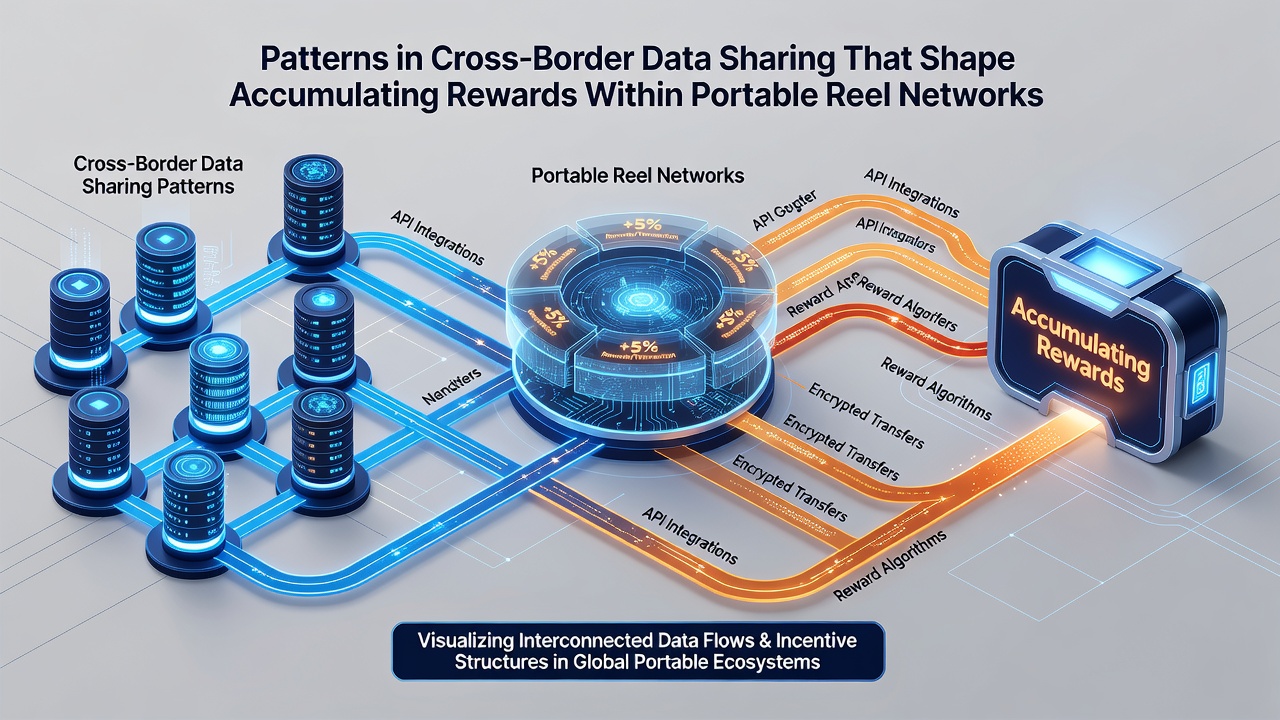
Operators in Canada and Australia have adopted similar transmission schedules that align with those used in European markets, and this coordination reduces discrepancies in reported accumulator balances. When one jurisdiction experiences a surge in mobile sessions during evening hours, the shared data stream distributes the incremental contributions evenly across all linked pools. Observers note that networks employing real-time validation protocols record fewer instances of delayed reward postings than those using batch uploads.
Impact on Reward Accumulation Mechanics
Accumulating rewards within portable reel networks grow through incremental additions calculated from aggregated cross-border inputs, and the rate of growth depends on the granularity of data fields exchanged. Networks that transmit granular session duration and wager size details produce smoother accumulation curves than those limited to aggregate totals. This difference appears in public performance summaries issued by multi-jurisdictional operators during the first half of 2026.
Security standards such as end-to-end encryption and token-based authentication protect the integrity of these data streams while meeting requirements set by multiple data protection authorities. When transmission protocols incorporate checksum verification at each hop, the frequency of reward calculation errors declines measurably. Industry reports compiled by academic centers in the United States and Europe document these outcomes through anonymized operator datasets.
Future Protocol Developments
Technical working groups established under international gaming standards bodies continue to refine data schema that will support additional reward types in portable networks. Proposed additions include conditional contribution multipliers triggered by verified cross-platform activity, and these multipliers would activate only after data integrity checks confirm compliance with each participating jurisdiction's rules. Pilot programs scheduled for late 2026 aim to test these extensions across three continents simultaneously.
Conclusion
Cross-border data sharing continues to define how rewards accumulate in portable reel networks through standardized transmission protocols, synchronized update cycles, and expanding data categories. Patterns documented through regulatory filings and academic analyses show consistent relationships between the depth of shared information and the stability of reward growth across jurisdictions. As protocol refinements proceed, the volume and specificity of exchanged data are expected to increase while maintaining compliance with regional privacy mandates.