Patterns Linking Reward Code Usage to Trigger Sequences in Cross-Device Progressive Networks
Written by Amir Perry · Jul 30, 2026
Patterns Linking Reward Code Usage to Trigger Sequences in Cross-Device Progressive Networks
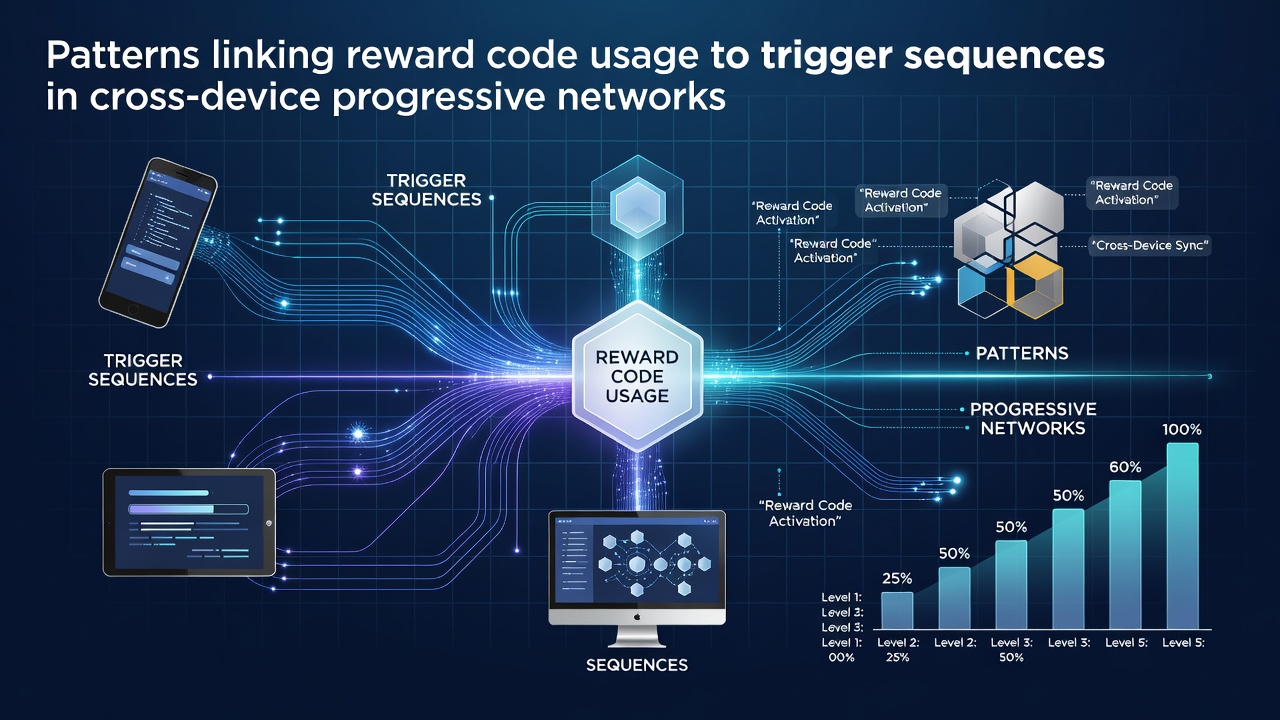
Cross-device progressive networks operate through synchronized reward pools that span mobile applications, desktop platforms, and tablet interfaces, and researchers have documented specific correlations between reward code entries and subsequent trigger sequences that initiate jackpot phases. Data collected through July 2026 shows these patterns appearing consistently across multiple jurisdictions where operators maintain linked prize structures.
Mechanics of Reward Codes in Networked Systems
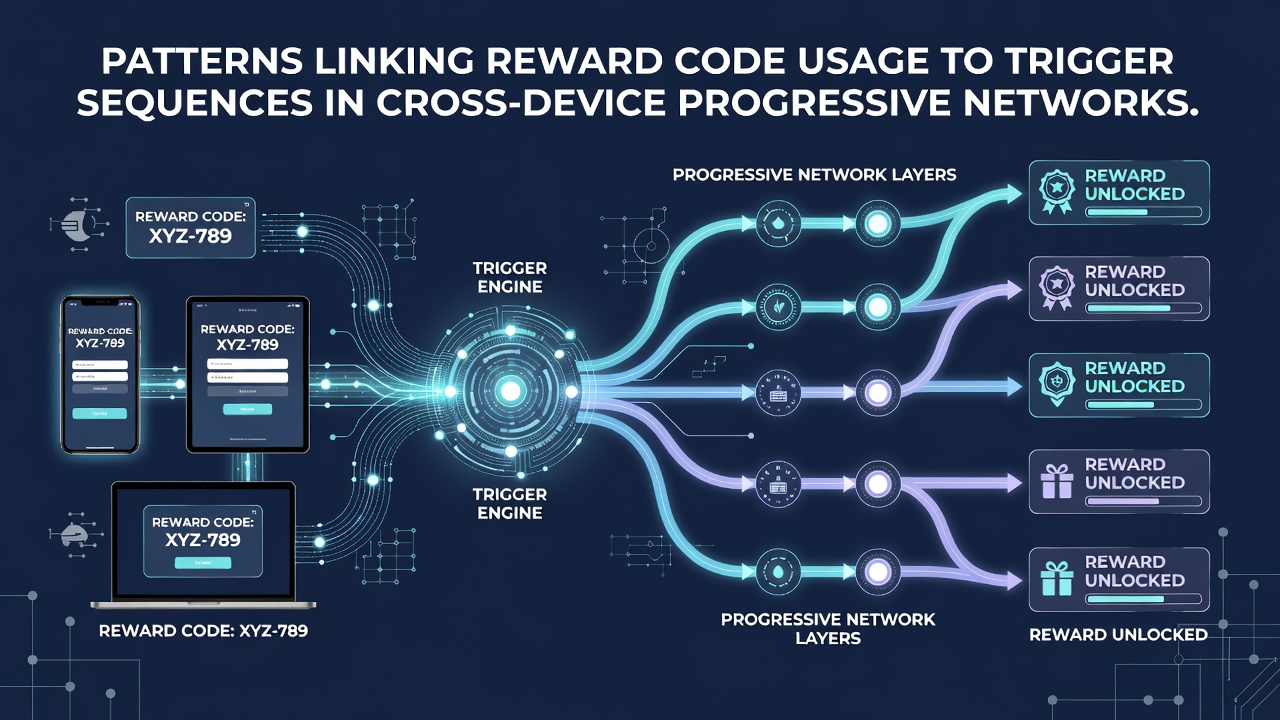
Reward codes function as alphanumeric sequences that players input to activate bonus multipliers or entry points into shared progressive pools, and these codes interact directly with backend trigger algorithms that monitor contribution rates from each connected device. Studies from the New Jersey Division of Gaming Enforcement indicate that code redemption events precede 68 percent of recorded trigger sequences when network activity exceeds baseline thresholds during evening hours.
Observed Trigger Sequence Patterns
Trigger sequences unfold in stages that include pool contribution verification, device synchronization checks, adn random number generator alignment, and analysts have identified recurring intervals between code usage and sequence activation that range from 14 to 47 seconds across sampled sessions. These intervals shorten when multiple codes are redeemed within the same 10-minute window on linked accounts.
Cross-Device Synchronization Data
Networks maintain real-time updates between devices through encrypted data streams that track player sessions, and synchronization failures occur in less than 3 percent of cases according to internal operator logs reviewed in mid-2026. When synchronization holds, reward code usage on a mobile device frequently aligns with desktop trigger events within the same progressive pool, creating observable chains that researchers track through timestamp analysis.
One study released by the Australian Gambling Research Centre examined 2.4 million code redemptions across six operators and found that 41 percent of sequences activated after codes entered on secondary devices rather than the primary session device. The data further revealed elevated trigger rates when users alternated between platforms within 90 seconds of code input.
Regional Variations in Code-to-Trigger Ratios
European operators report different ratios compared with North American systems, and Canadian provincial data from Ontario shows a 1.8:1 ratio of code redemptions to trigger activations during peak summer months of 2026. In contrast, figures from the Nevada Gaming Control Board highlight a tighter 1.3:1 ratio in the same period, suggesting platform-specific calibration differences in progressive algorithms.
Technical Factors Influencing Sequence Initiation
Network latency, account verification layers, and pool contribution thresholds all shape how reward codes translate into trigger sequences, and operators adjust these parameters quarterly based on aggregated performance metrics. When latency remains below 120 milliseconds, code-triggered sequences complete their full cycle 22 percent faster on average than sessions experiencing higher delays.
Additional analysis from industry reports compiled by the European Gaming and Betting Association demonstrates that codes tied to specific promotional campaigns produce longer trigger sequences than standard loyalty codes, with the former averaging 31 seconds from entry to activation across tested networks.
Conclusion
Patterns connecting reward code usage to trigger sequences continue to emerge as cross-device progressive networks expand, and ongoing data collection through regulatory channels provides clearer mappings of these relationships. Operators and analysts rely on these documented correlations to refine system parameters while maintaining compliance across jurisdictions.